


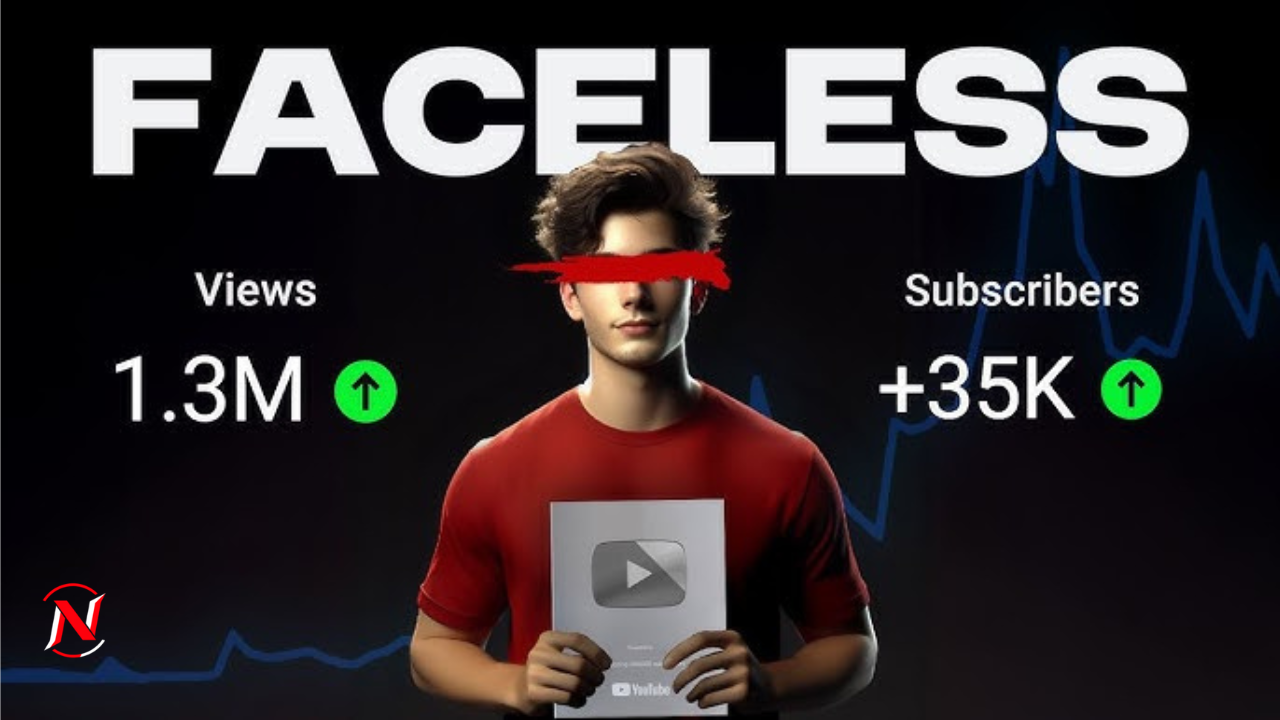
In today’s fast-growing digital world, content creation has become more accessible than ever. From YouTube channels to social media platforms, millions of creators are building audiences and generating income online. However, not everyone is comfortable appearing on camera. This is where the concept of a faceless video comes into play. It allows individuals to create engaging and valuable content without revealing their identity or showing their face.
This approach has gained massive popularity among beginners, introverts, and even experienced creators who prefer privacy. In this article, we will explore what faceless videos are, why they are trending, how to create them effectively, and how you can succeed using this strategy.
What Is a Faceless Video?
A faceless video is any type of video content where the creator does not appear on screen. Instead of showing a person’s face, these videos rely on visuals such as animations, stock footage, screen recordings, slideshows, or voiceovers to deliver the message.
This format is commonly used in niches like:
- Educational content
- Motivational videos
- Tech tutorials
- Finance and investing
- Storytelling and documentaries
The main goal is to focus on the content itself rather than the personality behind it.
Why Faceless Videos Are Becoming Popular
There are several reasons why this content style is gaining attention across platforms like YouTube, TikTok, and Instagram.
Privacy and Comfort
Not everyone feels confident in front of a camera. A faceless video allows creators to stay anonymous while still sharing ideas and knowledge. This is especially useful for people who value their privacy or want to separate personal life from online work.
Low Barrier to Entry
You don’t need expensive equipment or a professional setup. Many faceless videos can be created using basic tools like screen recorders, free editing software, and stock footage websites.
Scalability
Faceless content is easier to outsource. You can hire scriptwriters, voiceover artists, and editors, making it possible to produce multiple videos consistently.
Focus on Content Quality
Since there is no on-screen personality, viewers pay more attention to the value of the content. This encourages creators to produce informative and engaging material.
Types of Faceless Videos
There are many formats you can explore depending on your niche and skills.
Animation Videos
These include whiteboard animations or motion graphics. They are highly engaging and commonly used for educational or explainer content.
Stock Footage Videos
Creators use clips from stock libraries combined with voiceovers and background music to tell a story or explain a concept.
Screen Recording Tutorials
Perfect for tech or software tutorials, these videos show step-by-step processes using screen capture tools.
Text-Based Videos
These rely on text overlays, subtitles, and background visuals. They are popular on short-form platforms like TikTok and Instagram Reels.
AI-Generated Videos
With advancements in artificial intelligence, creators can now generate voiceovers, scripts, and visuals automatically, making faceless content even easier to produce.
How to Create a Successful Faceless Video
Creating high-quality content without showing your face still requires strategy and effort. Here are the key steps:
Choose a Profitable Niche
Pick a niche that has demand and audience interest. Some popular niches include:
- Personal finance
- Health and wellness
- Technology
- Motivation
- History and facts
Make sure the topic aligns with your knowledge or interest.
Write a Strong Script
The script is the backbone of any faceless video. Since you’re not relying on facial expressions, your words must be clear, engaging, and valuable.
Tips for scripting:
- Start with a strong hook
- Keep sentences simple and direct
- Provide useful information
- End with a call to action
Use High-Quality Visuals
Visuals play a crucial role in keeping viewers engaged. You can use:
- Stock footage platforms
- Free image libraries
- Animation tools
Ensure that your visuals match the message of your script.
Add Voiceover
A clear and professional voiceover enhances credibility. You can either record your own voice or use AI voice tools.
Make sure:
- Audio is clean and noise-free
- Tone matches the content style
- Pace is easy to follow
Edit Professionally
Editing ties everything together. Use simple transitions, background music, and subtitles to improve the viewing experience.
Avoid overcomplicating the video. Clean and minimal edits often perform better.
Best Platforms for Faceless Content
Faceless videos can perform well on multiple platforms if optimized correctly.
YouTube
YouTube is the best platform for long-form content. Many successful channels earn revenue through ads, affiliate marketing, and sponsorships without ever showing their face.
TikTok and Instagram Reels
Short-form content is ideal for quick engagement. Text-based or motivational faceless videos can easily go viral.
Facebook video content still has strong reach, especially in certain niches like storytelling and news.
Monetization Opportunities
One of the biggest advantages of a faceless video strategy is its earning potential. Here are some common ways to monetize:
YouTube Ad Revenue
Once your channel meets the requirements, you can earn from ads displayed on your videos.
Affiliate Marketing
Promote products or services and earn commissions for every sale made through your links.
Selling Digital Products
You can sell eBooks, courses, or templates related to your niche.
Sponsorships
Brands may pay you to promote their products in your videos.
Challenges of Faceless Videos
While this approach has many benefits, it also comes with challenges.
Building Trust
Without a visible personality, it can be harder to build a personal connection with your audience. You need to rely on consistency and quality content.
High Competition
Many creators are entering this space, especially with AI tools making content creation easier.
Content Originality
It’s important to stay unique and avoid copying others. Always focus on adding your own perspective.
Tips for Long-Term Success
To stand out in the crowded content landscape, follow these tips:
Stay Consistent
Upload regularly to keep your audience engaged and grow your channel over time.
Focus on Value
Always prioritize helpful and informative content rather than chasing trends blindly.
Improve Over Time
Analyze your performance and refine your strategy. Look at watch time, engagement, and feedback.
Build a Brand
Even if you’re not showing your face, you can still create a recognizable brand through your style, voice, and content quality.
The Future of Faceless Content
The demand for faceless videos is expected to grow even more in the coming years. With advancements in AI, automation, and digital tools, creating content will become faster and more efficient.
Many creators are already building entire businesses around this model. From YouTube automation channels to niche-focused content pages, the possibilities are endless.
The key is to adapt, stay creative, and focus on delivering real value to your audience.
Conclusion
A faceless video is more than just a trend—it’s a powerful content strategy that allows anyone to enter the digital space without fear or limitations. Whether you’re camera-shy, value your privacy, or simply prefer working behind the scenes, this approach offers incredible opportunities.
By choosing the right niche, creating quality content, and staying consistent, you can build a successful online presence without ever appearing on screen. As the digital world continues to evolve, faceless content is proving that your ideas matter more than your appearance.
You May Like it: Socialbizmagazine.com: A Complete Guide to Business Insights and Digital Trends
Frequently Asked Questions (FAQs)
1. What exactly is a faceless video?
A faceless video is content where the creator does not appear on camera. Instead, it uses voiceovers, stock footage, animations, or text to deliver the message.
2. Can beginners start a faceless video channel easily?
Yes, beginners can start easily. You don’t need advanced skills or expensive equipment—just basic editing tools, a clear idea, and consistency.
3. Do faceless videos make money?
Absolutely. Many creators earn through YouTube ads, affiliate marketing, sponsorships, and digital products without ever showing their face.
4. What type of content works best for faceless videos?
Educational videos, tutorials, motivational content, storytelling, and tech-related topics perform very well in this format.
5. Is voiceover necessary in a faceless video?
Not always, but it helps a lot. A good voiceover makes the content more engaging and easier to understand, though text-based videos can also work.
6. How long does it take to grow a faceless video channel?
It depends on consistency, content quality, and niche. Some channels grow in a few months, while others may take longer to gain traction.
7. Are faceless videos saturated now?
The competition is increasing, but there is still plenty of opportunity. Unique ideas, quality content, and proper strategy can help you stand out.
