


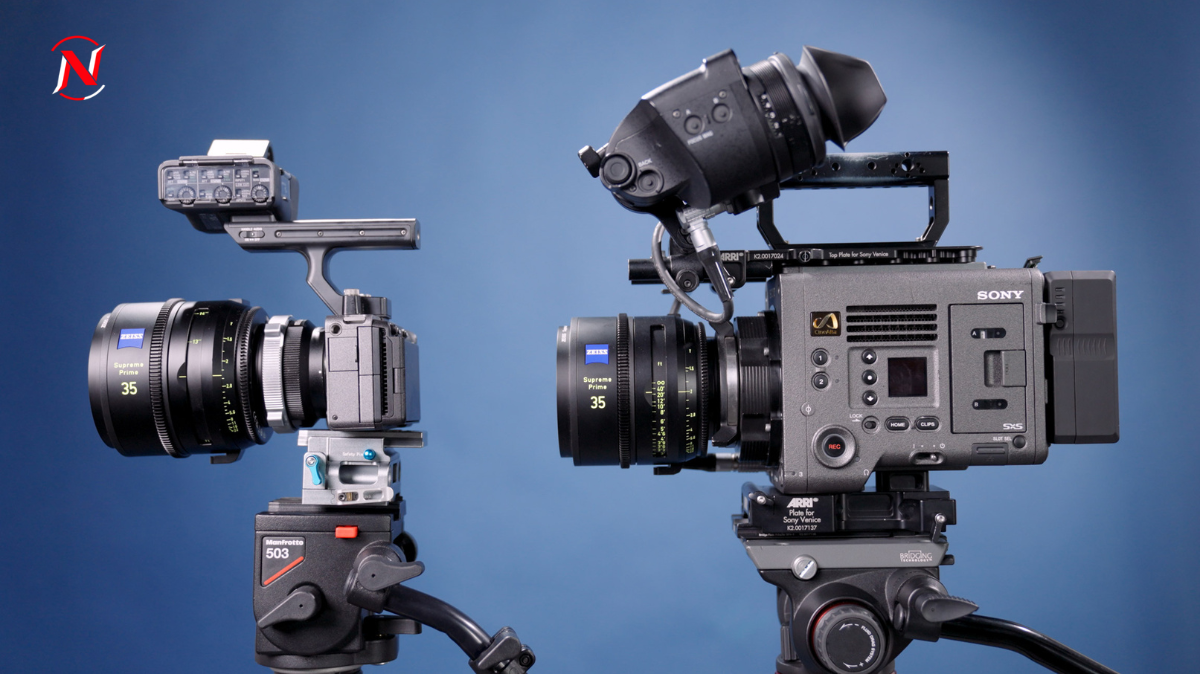
In recent years, the demand for compact yet powerful cinema cameras has grown rapidly. Content creators, filmmakers, and videographers are constantly searching for equipment that delivers cinematic quality without the bulk of traditional rigs. The Sony FX3 has emerged as a strong contender in this space, offering a perfect balance between portability and professional-grade performance. Designed as part of Sony’s Cinema Line, this camera bridges the gap between high-end cinema gear and mirrorless convenience.
This article explores everything you need to know about the Sony FX3—from its design and features to its performance and real-world usability.
Design and Build Quality
One of the first things you notice about the Sony FX3 is its compact and lightweight design. Unlike traditional cinema cameras that require extensive rigging, the FX3 is built with portability in mind. It weighs around 715 grams, making it ideal for handheld shooting, travel filmmaking, and run-and-gun scenarios.
The body features multiple 1/4”-20 mounting points, allowing users to attach accessories like monitors, microphones, and handles without needing a cage. This design decision reflects Sony’s focus on practicality and efficiency.
Additionally, the camera includes a detachable XLR handle, which is a major advantage for professionals who require high-quality audio input without investing in external audio gear.
Sensor and Image Quality
At the heart of the Sony FX3 lies a full-frame back-illuminated CMOS sensor. This sensor is optimized for video, delivering exceptional dynamic range and low-light performance.
The camera supports 4K recording up to 120 frames per second, enabling smooth slow-motion footage. With over 15 stops of dynamic range, it captures incredible detail in both highlights and shadows. This makes it ideal for cinematic storytelling, where lighting conditions can vary dramatically.
Color science is another area where the FX3 excels. It supports S-Log3 and S-Cinetone profiles, allowing filmmakers to achieve professional-grade color grading and natural skin tones. The S-Cinetone profile, in particular, is highly praised for delivering cinematic colors straight out of the camera.
Low-Light Performance
Low-light shooting is one of the standout features of the Sony FX3. With a dual base ISO of 800 and 12,800, the camera performs exceptionally well in challenging lighting conditions.
Whether you’re shooting nighttime scenes, indoor events, or documentaries in dim environments, the FX3 maintains clarity and reduces noise effectively. This makes it a reliable choice for filmmakers who don’t always have control over lighting setups.
Autofocus Capabilities
Autofocus is often a critical factor for videographers, and Sony has consistently led the industry in this area. The Sony FX3 features advanced autofocus technology, including real-time Eye AF and subject tracking.
The camera can detect and track human faces and eyes with impressive accuracy, ensuring that your subject remains in focus even during movement. This is particularly useful for solo shooters, vloggers, and documentary filmmakers who need reliable autofocus without manual adjustments.
Video Recording Features
The Sony FX3 is packed with features tailored specifically for video production. Some of its key recording capabilities include:
- 4K recording at up to 120fps
- 10-bit 4:2:2 internal recording
- All-Intra and Long GOP compression options
- No recording time limits
These features ensure that the camera meets professional standards for filmmaking, broadcasting, and content creation.
Another notable feature is the built-in cooling fan, which prevents overheating during long recording sessions. This is a significant improvement over many mirrorless cameras that struggle with heat management.
Audio Performance
Audio quality is just as important as video, and the Sony FX3 doesn’t disappoint. The included XLR handle provides professional-grade audio inputs, allowing users to connect external microphones directly.
This eliminates the need for separate audio recorders in many situations, streamlining the workflow. The camera also includes a 3.5mm microphone jack and headphone output for monitoring.
For filmmakers working on interviews, documentaries, or short films, this integrated audio solution is incredibly valuable.
Ergonomics and Usability
Sony has designed the FX3 with usability in mind. The button layout is intuitive, with dedicated controls for video recording, ISO, white balance, and more.
The fully articulating touchscreen makes it easy to shoot from various angles, whether you’re filming yourself or capturing creative perspectives.
Another useful feature is the tally lights on the front and back of the camera. These lights indicate when recording is active, which is especially helpful for solo creators and vloggers.
Stabilization
The Sony FX3 includes in-body image stabilization (IBIS), which helps reduce camera shake during handheld shooting. This feature is particularly useful for filmmakers who prefer a lightweight setup without gimbals.
Additionally, Sony offers electronic stabilization modes that further enhance smoothness in footage. While not a complete replacement for professional stabilizers, these features significantly improve handheld shooting quality.
Connectivity and Workflow
Modern filmmakers require efficient workflows, and the Sony FX3 delivers in this area as well. The camera supports various connectivity options, including:
- HDMI output for external recording
- USB-C for fast data transfer
- Wi-Fi and Bluetooth for remote control
It is also compatible with Sony’s Catalyst Browse software, which allows users to apply stabilization and metadata adjustments during post-production.
This seamless integration makes it easier to manage and edit footage, saving time and effort in the production process.
Who Should Use the Sony FX3?
The Sony FX3 is designed for a wide range of users, including:
Independent Filmmakers
Its cinematic capabilities and compact design make it ideal for indie projects.
Content Creators and YouTubers
With its excellent autofocus and portability, it’s perfect for vloggers and online creators.
Documentary Filmmakers
The camera’s low-light performance and lightweight build make it suitable for real-world shooting conditions.
Professional Videographers
From weddings to corporate videos, the FX3 delivers reliable performance across various industries.
Advantages and Limitations
Advantages
- Compact and lightweight design
- Exceptional low-light performance
- Professional video features
- Reliable autofocus system
- Built-in cooling for long recordings
Limitations
- No electronic viewfinder (EVF)
- Limited photography features compared to hybrid cameras
- Higher price point for beginners
While the camera excels in video, it is clearly designed with filmmakers in mind rather than photographers.
Comparison with Other Cameras
When compared to other cameras in its class, the Sony FX3 stands out for its cinema-focused design. Unlike hybrid cameras such as the Sony A7S III, the FX3 is built specifically for video production.
It shares many internal components with the A7S III but offers additional features like the XLR handle, cooling fan, and improved ergonomics for filmmaking.
This makes it a better choice for users who prioritize video over photography.
Real-World Performance
In real-world scenarios, the Sony FX3 proves to be a reliable and versatile tool. Filmmakers appreciate its ability to adapt to different shooting environments, from controlled studio setups to unpredictable outdoor conditions.
The camera’s combination of image quality, autofocus, and portability allows users to focus more on creativity rather than technical limitations.
Whether you’re shooting a short film, documentary, or commercial project, the FX3 delivers consistent results.
Conclusion
The Sony FX3 is a remarkable addition to Sony’s Cinema Line, offering a powerful combination of performance, portability, and professional features. It is designed for creators who want cinematic quality without the complexity of traditional cinema cameras.
From its impressive low-light capabilities to its advanced autofocus and video features, the FX3 meets the demands of modern filmmaking. While it may not be the best choice for photographers, it excels as a dedicated video camera.
For anyone serious about filmmaking, investing in the Sony FX3 can be a game-changing decision. It empowers creators to capture stunning visuals with ease, making it one of the most versatile cameras available today.
